The Woman in the Yellow House
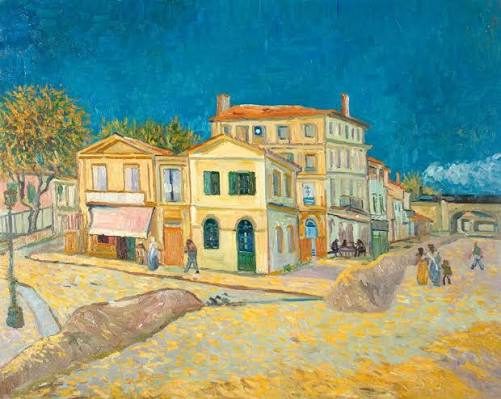
A short story about a girl, a reclusive neighbour, a neglected garden, and the stories a community invents around silence.
The yellow house stood at the end of Coralita Lane, where the paved road surrendered to stones and the stones surrendered to bush. Its paint had once been bright enough to hurt the eyes, but years of salt and sun had softened it to the colour of old butter.
Children were warned not to go there.
Depending on which adult told the story, the woman inside had poisoned her husband, predicted three hurricanes, hidden money in the walls, spoken to dead relatives, or simply disliked visitors. The last possibility was considered the least believable.
Twelve-year-old Alana passed the house every afternoon on her way from school. She walked quickly, although she told herself it was because the road had no shade. The front gate leaned open. Bougainvillea climbed the fence in a wild red argument.
The first time she entered the yard, she did not mean to. A brown envelope escaped from her schoolbag and spun beneath the gate. It contained a notice about unpaid lunch fees. Her mother had been working fewer shifts at the hotel, and Alana had hidden the earlier notices beneath her mattress.
She pushed the gate.
It opened with a sound like someone clearing an old throat.
The envelope had landed beside a cluster of basil. Alana stepped carefully between stones, reached down, and heard a voice behind her.
“If you break that thyme, you planting it back.”
The woman stood on the veranda wearing a white housedress printed with blue birds. She was smaller than Alana expected, with silver hair cut close to her head and glasses hanging from a cord.
“I sorry,” Alana said.
“For the thyme or for trespassing?”
“Both.”
“At least you efficient.”
The woman pointed to the envelope. “School trouble?”
Alana held it against her chest. “No.”
“Then school sending love letters now?”
The next afternoon, the woman was sweeping leaves near the gate.
“Lunch-fee girl,” she called. “Come take this.”
She held out a small paper bag containing two guavas.
“I can’t,” Alana said.
“Then they going rot, and you will be responsible.”
Her name was Miss Eunice. She had taught at the primary school for thirty-five years. Over the following weeks, Alana began stopping at the yellow house. Miss Eunice gave her fruit, corrected her grammar, and complained about people who planted decorative flowers but no seasoning.
One day, she asked to see Alana's exercise book.
“Your handwriting running from police,” she said.
“Teacher can read it.”
“That is not the standard.”
Soon the visits developed a routine. Alana swept the veranda. Miss Eunice helped with homework. They drank mauby from cloudy glasses.
In June, the school announced an essay competition. The topic was “A Person Who Changed My Community.” The winner would receive a tablet and a year of lunch fees.
Alana wrote about Miss Eunice.
She described former students who still greeted her in the supermarket, the notebooks she purchased with her own salary, and the garden where every plant had a purpose.
When she showed Miss Eunice the draft, the old woman removed her glasses.
“Choose somebody else.”
“Why?”
“Because I say so.”
“That not a reason.”
Miss Eunice's face hardened. “You getting brave in my yard.”
Alana closed the notebook. “You tell me words deserve somewhere proper to stand.”
“And some words belong private.”
Alana left without taking the guavas waiting on the table.
Three days later, an ambulance stood outside the yellow house. Miss Eunice had fallen while watering plants and fractured her hip.
At the hospital, Miss Eunice finally explained that she had a daughter overseas. They had quarrelled years earlier because the daughter wanted her to sell the house and move away.
“She said a house cannot love you back,” Miss Eunice whispered.
“She right?” Alana asked.
“Sometimes.”
Alana submitted the essay with one sentence removed: the mention of Miss Eunice's daughter.
She won second place. There was no tablet, but the school published the essay online. Three weeks later, a blue rental car stopped outside the yellow house.
A woman stepped out. She looked like a taller, younger version of Miss Eunice.
Alana watched from across the street as the woman stood at the closed gate.
Miss Eunice appeared on the veranda using a walker.
Neither moved for a long moment.
Then the woman lifted one hand.
Miss Eunice lifted hers.
Alana continued walking. Some stories, she understood, needed witnesses. Others needed room.
By September, the yellow house had been painted again. Not the violent yellow of its youth, but a warm gold.
People in the neighbourhood created new stories immediately. They said the daughter planned to sell. They said she had returned for hidden money. They said Miss Eunice was moving abroad.
Alana knew none of this was true.
So when asked what was happening at the yellow house, she simply said, “Something growing.”
Children were warned not to go there.
Depending on which adult told the story, the woman inside had poisoned her husband, predicted three hurricanes, hidden money in the walls, spoken to dead relatives, or simply disliked visitors. The last possibility was considered the least believable.
Twelve-year-old Alana passed the house every afternoon on her way from school. She walked quickly, although she told herself it was because the road had no shade. The front gate leaned open. Bougainvillea climbed the fence in a wild red argument.
The first time she entered the yard, she did not mean to. A brown envelope escaped from her schoolbag and spun beneath the gate. It contained a notice about unpaid lunch fees. Her mother had been working fewer shifts at the hotel, and Alana had hidden the earlier notices beneath her mattress.
She pushed the gate.
It opened with a sound like someone clearing an old throat.
The envelope had landed beside a cluster of basil. Alana stepped carefully between stones, reached down, and heard a voice behind her.
“If you break that thyme, you planting it back.”
The woman stood on the veranda wearing a white housedress printed with blue birds. She was smaller than Alana expected, with silver hair cut close to her head and glasses hanging from a cord.
“I sorry,” Alana said.
“For the thyme or for trespassing?”
“Both.”
“At least you efficient.”
The woman pointed to the envelope. “School trouble?”
Alana held it against her chest. “No.”
“Then school sending love letters now?”
The next afternoon, the woman was sweeping leaves near the gate.
“Lunch-fee girl,” she called. “Come take this.”
She held out a small paper bag containing two guavas.
“I can’t,” Alana said.
“Then they going rot, and you will be responsible.”
Her name was Miss Eunice. She had taught at the primary school for thirty-five years. Over the following weeks, Alana began stopping at the yellow house. Miss Eunice gave her fruit, corrected her grammar, and complained about people who planted decorative flowers but no seasoning.
One day, she asked to see Alana's exercise book.
“Your handwriting running from police,” she said.
“Teacher can read it.”
“That is not the standard.”
Soon the visits developed a routine. Alana swept the veranda. Miss Eunice helped with homework. They drank mauby from cloudy glasses.
In June, the school announced an essay competition. The topic was “A Person Who Changed My Community.” The winner would receive a tablet and a year of lunch fees.
Alana wrote about Miss Eunice.
She described former students who still greeted her in the supermarket, the notebooks she purchased with her own salary, and the garden where every plant had a purpose.
When she showed Miss Eunice the draft, the old woman removed her glasses.
“Choose somebody else.”
“Why?”
“Because I say so.”
“That not a reason.”
Miss Eunice's face hardened. “You getting brave in my yard.”
Alana closed the notebook. “You tell me words deserve somewhere proper to stand.”
“And some words belong private.”
Alana left without taking the guavas waiting on the table.
Three days later, an ambulance stood outside the yellow house. Miss Eunice had fallen while watering plants and fractured her hip.
At the hospital, Miss Eunice finally explained that she had a daughter overseas. They had quarrelled years earlier because the daughter wanted her to sell the house and move away.
“She said a house cannot love you back,” Miss Eunice whispered.
“She right?” Alana asked.
“Sometimes.”
Alana submitted the essay with one sentence removed: the mention of Miss Eunice's daughter.
She won second place. There was no tablet, but the school published the essay online. Three weeks later, a blue rental car stopped outside the yellow house.
A woman stepped out. She looked like a taller, younger version of Miss Eunice.
Alana watched from across the street as the woman stood at the closed gate.
Miss Eunice appeared on the veranda using a walker.
Neither moved for a long moment.
Then the woman lifted one hand.
Miss Eunice lifted hers.
Alana continued walking. Some stories, she understood, needed witnesses. Others needed room.
By September, the yellow house had been painted again. Not the violent yellow of its youth, but a warm gold.
People in the neighbourhood created new stories immediately. They said the daughter planned to sell. They said she had returned for hidden money. They said Miss Eunice was moving abroad.
Alana knew none of this was true.
So when asked what was happening at the yellow house, she simply said, “Something growing.”