Sunday Shoes
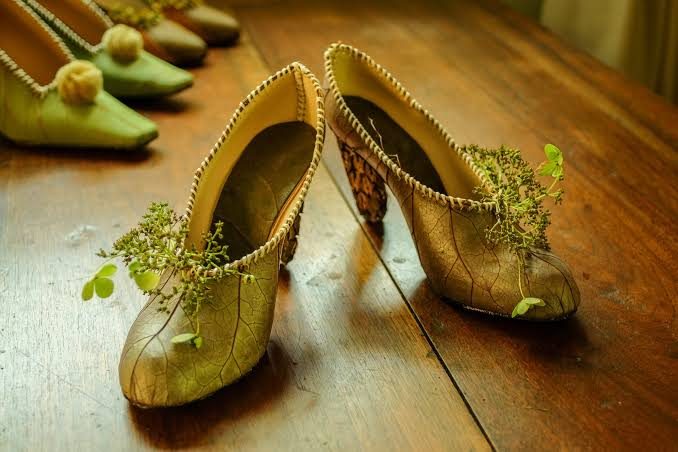
A family story about inheritance, pride, church clothes, migration, and the meaning hidden inside a pair of carefully preserved shoes.
My mother kept her Sunday shoes in a blue biscuit tin.
This made no practical sense. The shoes were black leather, low-heeled, and too large for the tin, so she placed them sideways with one shoe pressed into the other. Each Saturday evening she removed them, wiped them with a cloth, and applied polish in small circles until they reflected the kitchen light.
As a child, I believed Sunday shoes were a different species from ordinary shoes. They did not run, kick stones, step in drains, or come home dusty. They moved carefully from the front door to the church, from the church to my grandmother's house, and from there back into the biscuit tin.
“Why you don't buy a box?” I once asked.
My mother clicked the lid shut. “This is the box.”
Years later, when my mother died, my sisters and I gathered at the house to sort her belongings. Grief made every object argumentative.
We found the biscuit tin beneath her bed.
“Throw that old thing away,” my youngest sister said.
I opened it.
The shoes were still polished.
Beneath them lay a folded envelope containing three photographs and a receipt dated 1978. The receipt came from a department store in Philipsburg and listed one pair of ladies' shoes, size eight, paid in six instalments.
In the first photograph, my mother stood outside a wooden church wearing a white dress and the shoes. She was seventeen. On the back, written in blue ink, were the words: First Sunday after I came home.
My aunt arrived while we were studying the photographs.
She explained that when my grandmother became ill, my mother was sent to work at a boarding house on another island. She cleaned rooms, washed sheets by hand, and looked after guests' children.
At seventeen, my mother returned home with enough money to help pay medical bills. She purchased the shoes in instalments because she needed something respectable for job interviews and church.
“Those shoes carry her everywhere,” my aunt said. “First office job. Your father funeral. Airport when she go Holland. All of allyuh christening.”
“Why keep wearing the same pair?” I asked.
My aunt smiled. “Because they still good.”
This was my mother's answer to almost everything. Still good meant an object had survived its expected life and therefore deserved another.
After the funeral, I took the shoes home.
They did not fit. My mother's feet had been wider than mine, and the leather held the shape of her toes. I placed them in my closet and forgot them until my daughter needed an object for a school presentation about family history.
“Can I use Grandma's shoes?” she asked.
“They are not costume.”
“I know.”
She sat at the kitchen table and listened while I told her the story. I realized how little I knew beyond the few facts my aunt had supplied.
My daughter wrote questions in a notebook.
“You should interview Auntie,” she said.
“For your project?”
“For us.”
We called my aunt that evening. One conversation became six. She remembered songs the sisters sang while cleaning, the smell of my grandmother's medicine, and the argument that occurred when my mother announced she was leaving the boarding house.
My daughter's presentation included photographs of the shoes, the receipt, and an audio clip of my aunt laughing. She titled it “What a Pair of Shoes Can Carry.”
Her teacher invited families to attend. I sat in the back while my daughter explained instalment payments, migration, women's labour, and the way objects become archives.
Afterward, another parent approached me. She said her father had kept a rusted lunch pan from his first construction job. She had never understood why.
“Maybe I should ask,” she said.
“Ask now,” I told her.
At home, my daughter returned the shoes to the biscuit tin.
“We should get a proper preservation box,” she said.
I almost agreed.
Then I imagined my mother choosing the tin, pressing one shoe into the other, and making space where there was none.
“No,” I said. “This is the box.”
This made no practical sense. The shoes were black leather, low-heeled, and too large for the tin, so she placed them sideways with one shoe pressed into the other. Each Saturday evening she removed them, wiped them with a cloth, and applied polish in small circles until they reflected the kitchen light.
As a child, I believed Sunday shoes were a different species from ordinary shoes. They did not run, kick stones, step in drains, or come home dusty. They moved carefully from the front door to the church, from the church to my grandmother's house, and from there back into the biscuit tin.
“Why you don't buy a box?” I once asked.
My mother clicked the lid shut. “This is the box.”
Years later, when my mother died, my sisters and I gathered at the house to sort her belongings. Grief made every object argumentative.
We found the biscuit tin beneath her bed.
“Throw that old thing away,” my youngest sister said.
I opened it.
The shoes were still polished.
Beneath them lay a folded envelope containing three photographs and a receipt dated 1978. The receipt came from a department store in Philipsburg and listed one pair of ladies' shoes, size eight, paid in six instalments.
In the first photograph, my mother stood outside a wooden church wearing a white dress and the shoes. She was seventeen. On the back, written in blue ink, were the words: First Sunday after I came home.
My aunt arrived while we were studying the photographs.
She explained that when my grandmother became ill, my mother was sent to work at a boarding house on another island. She cleaned rooms, washed sheets by hand, and looked after guests' children.
At seventeen, my mother returned home with enough money to help pay medical bills. She purchased the shoes in instalments because she needed something respectable for job interviews and church.
“Those shoes carry her everywhere,” my aunt said. “First office job. Your father funeral. Airport when she go Holland. All of allyuh christening.”
“Why keep wearing the same pair?” I asked.
My aunt smiled. “Because they still good.”
This was my mother's answer to almost everything. Still good meant an object had survived its expected life and therefore deserved another.
After the funeral, I took the shoes home.
They did not fit. My mother's feet had been wider than mine, and the leather held the shape of her toes. I placed them in my closet and forgot them until my daughter needed an object for a school presentation about family history.
“Can I use Grandma's shoes?” she asked.
“They are not costume.”
“I know.”
She sat at the kitchen table and listened while I told her the story. I realized how little I knew beyond the few facts my aunt had supplied.
My daughter wrote questions in a notebook.
“You should interview Auntie,” she said.
“For your project?”
“For us.”
We called my aunt that evening. One conversation became six. She remembered songs the sisters sang while cleaning, the smell of my grandmother's medicine, and the argument that occurred when my mother announced she was leaving the boarding house.
My daughter's presentation included photographs of the shoes, the receipt, and an audio clip of my aunt laughing. She titled it “What a Pair of Shoes Can Carry.”
Her teacher invited families to attend. I sat in the back while my daughter explained instalment payments, migration, women's labour, and the way objects become archives.
Afterward, another parent approached me. She said her father had kept a rusted lunch pan from his first construction job. She had never understood why.
“Maybe I should ask,” she said.
“Ask now,” I told her.
At home, my daughter returned the shoes to the biscuit tin.
“We should get a proper preservation box,” she said.
I almost agreed.
Then I imagined my mother choosing the tin, pressing one shoe into the other, and making space where there was none.
“No,” I said. “This is the box.”