What the Moon Does Not Explain
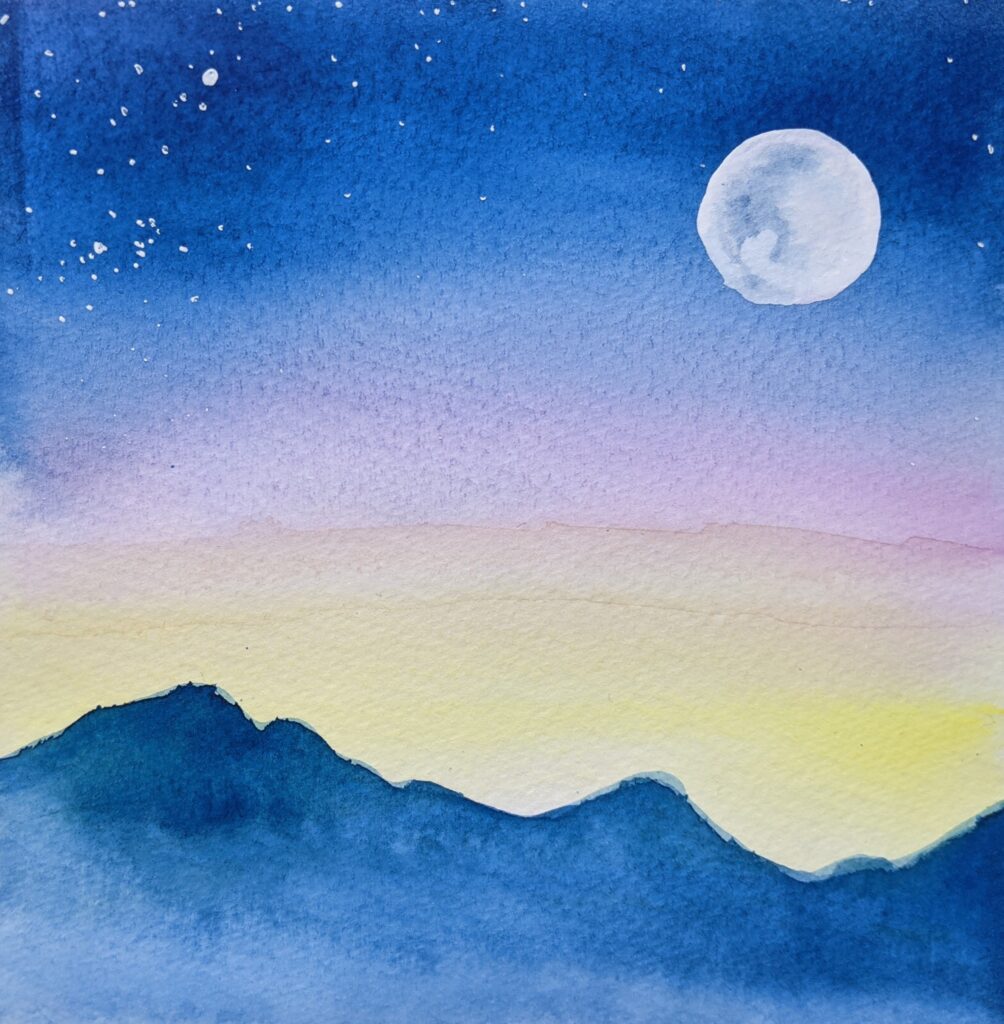
A contemplative piece about uncertainty, cycles, silence, and the human desire to turn every experience into a clear lesson.
The moon does not explain why it disappears.
It does not apologize for darkness or publish a schedule of emotional availability. It becomes less visible, then visible again, without treating either condition as failure.
We understand the astronomy. We can describe orbit, reflection, shadow, and phase. Yet explanation does not remove mystery.
Human beings often distrust what cannot be quickly interpreted. We ask what an experience was meant to teach us, as though suffering without a lesson would be wasteful.
Sometimes this search helps. Meaning can transform pain into direction.
Sometimes, however, the demand for meaning becomes another burden.
A person grieving a loss may not need to identify a gift hidden inside it. A relationship ending may not reveal its purpose immediately. A period of uncertainty may contain no secret instruction beyond the need to continue living through it.
The moon offers another model. It changes without explanation.
This does not mean passivity. Reflection matters. Patterns should be examined. We are responsible for learning from choices and repairing harm.
But not every unanswered question is evidence that we have failed to think deeply enough.
There are seasons in which the wisest response is observation.
Notice what expands when you stop forcing an answer. Notice which memories return. Notice what the body does before the mind produces a story.
Sit beneath the night sky when you can. Let the eyes adjust gradually. At first, darkness appears empty. Then details emerge.
Adjustment is a form of knowledge.
We often demand daylight answers while standing in nighttime circumstances. We expect immediate clarity in grief, transition, illness, betrayal, desire, or change.
But the senses require time. The mind does too.
The moon does not create its own light. This fact is sometimes used to diminish it, as though reflection were inferior to production. Yet reflected light guides travellers, shapes tides, and allows the night to be seen differently.
There are times when our work is not to generate something new but to reflect what has already reached us: the care of others, the wisdom of ancestors, the warning of history, the beauty of an ordinary day.
When the moon is absent from view, it has not ceased to exist. Visibility is not the only measure of presence.
Work can continue underground. Healing can occur before it can be narrated. A person can be changing even while appearing still.
You do not have to turn every wound into wisdom before it has closed.
You do not have to call every delay divine.
You do not have to make the darkness beautiful in order to survive it.
The moon does not explain.
It keeps moving.
It does not apologize for darkness or publish a schedule of emotional availability. It becomes less visible, then visible again, without treating either condition as failure.
We understand the astronomy. We can describe orbit, reflection, shadow, and phase. Yet explanation does not remove mystery.
Human beings often distrust what cannot be quickly interpreted. We ask what an experience was meant to teach us, as though suffering without a lesson would be wasteful.
Sometimes this search helps. Meaning can transform pain into direction.
Sometimes, however, the demand for meaning becomes another burden.
A person grieving a loss may not need to identify a gift hidden inside it. A relationship ending may not reveal its purpose immediately. A period of uncertainty may contain no secret instruction beyond the need to continue living through it.
The moon offers another model. It changes without explanation.
This does not mean passivity. Reflection matters. Patterns should be examined. We are responsible for learning from choices and repairing harm.
But not every unanswered question is evidence that we have failed to think deeply enough.
There are seasons in which the wisest response is observation.
Notice what expands when you stop forcing an answer. Notice which memories return. Notice what the body does before the mind produces a story.
Sit beneath the night sky when you can. Let the eyes adjust gradually. At first, darkness appears empty. Then details emerge.
Adjustment is a form of knowledge.
We often demand daylight answers while standing in nighttime circumstances. We expect immediate clarity in grief, transition, illness, betrayal, desire, or change.
But the senses require time. The mind does too.
The moon does not create its own light. This fact is sometimes used to diminish it, as though reflection were inferior to production. Yet reflected light guides travellers, shapes tides, and allows the night to be seen differently.
There are times when our work is not to generate something new but to reflect what has already reached us: the care of others, the wisdom of ancestors, the warning of history, the beauty of an ordinary day.
When the moon is absent from view, it has not ceased to exist. Visibility is not the only measure of presence.
Work can continue underground. Healing can occur before it can be narrated. A person can be changing even while appearing still.
You do not have to turn every wound into wisdom before it has closed.
You do not have to call every delay divine.
You do not have to make the darkness beautiful in order to survive it.
The moon does not explain.
It keeps moving.