The Archive at the Kitchen Table
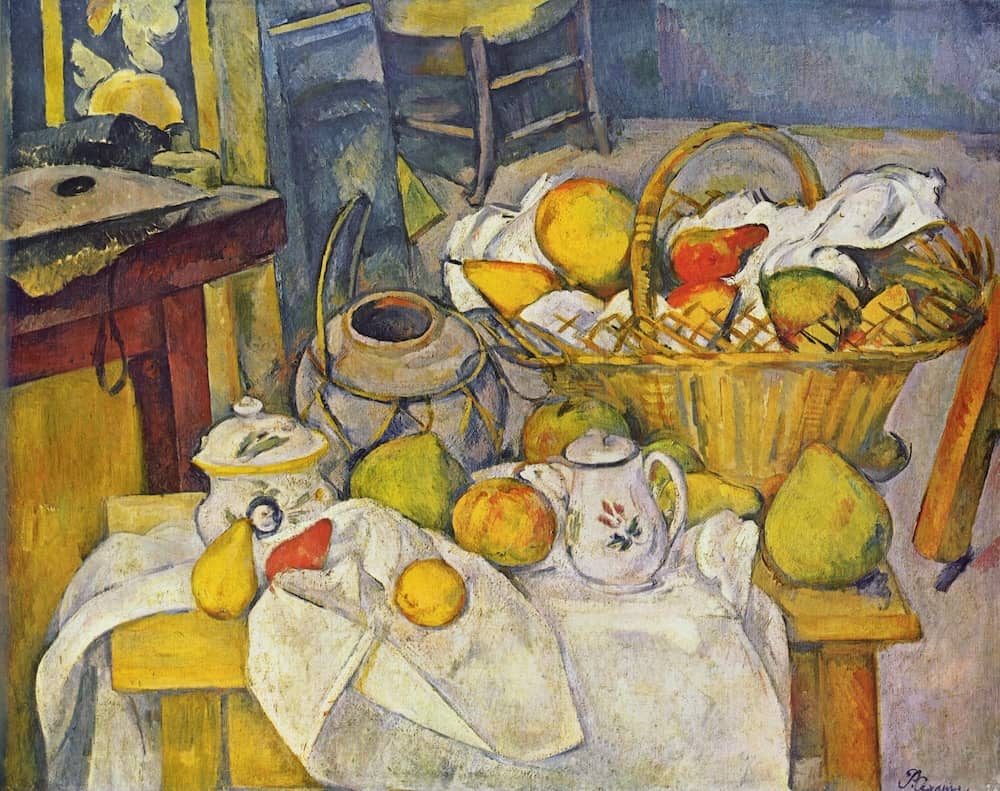
An essay on domestic archives, recipes, family photographs, oral history, and the intellectual work preserved outside official institutions.
The word archive usually evokes a controlled room: labelled boxes, climate regulation, catalogues, gloves, and rules about what may be touched. Yet many of the records through which families understand themselves never enter such institutions. They remain at kitchen tables, inside biscuit tins, between the pages of Bibles, in plastic bags beneath beds, or in the memories of people who do not consider themselves historians.
A family archive may contain birth certificates, funeral programmes, school reports, property receipts, photographs, handwritten recipes, letters, newspaper clippings, immigration documents, and objects whose significance is obvious only to those who know the story.
These materials are easily dismissed as sentimental. Yet they can reveal forms of history missing from official records. Governments document laws, transactions, elections, and institutional decisions. Families document care, survival, conflict, aspiration, and everyday life.
The kitchen table is a particularly important site because it is where documents become stories. A photograph placed on the table invites identification: Who is this? Where was it taken? Why was she dressed that way? One person remembers the occasion, another corrects the date, and a third reveals that two people in the photograph had not spoken for years.
Family narratives are rarely consistent. This is not a weakness. Contradictions reveal how memory works. One relative may describe a migration as opportunity, another as abandonment. One may remember a strict household as disciplined and loving, another as frightening.
Domestic archives also expose the gendered nature of preservation. In many families, women perform the labour of remembering. They keep photographs, know birthdays, preserve recipes, organize funerals, maintain contact across branches of the family, and tell younger relatives who belongs to whom.
Yet maintaining a family archive requires selection, interpretation, and transmission. Someone decides what to keep, how to label it, when to tell the story, and which version is appropriate for a child. These are archival decisions.
Silence is part of the archive as well. Missing photographs, unnamed fathers, altered dates, and stories that end abruptly can indicate shame, danger, protection, or unresolved grief. The desire to uncover every secret can become another form of entitlement.
Digital technology offers families new ways to preserve material. Photographs can be scanned, audio interviews recorded, documents backed up, and family trees shared across countries. A voice note from an elder can preserve pronunciation, humour, and emotion more fully than a written summary.
At the same time, digital preservation is not automatic. Files without clear names become difficult to identify. Passwords are lost. Platforms change. Images are detached from their context. Preservation requires description.
A simple family-archive practice can therefore be transformative. Scan photographs. Record names, approximate dates, places, and the person who supplied the information. Save multiple copies. Interview relatives with open questions. Ask about ordinary routines, not only dramatic events.
Schools and community organizations can support this work by treating domestic knowledge as intellectually valuable. Students might create small exhibitions using family objects, map migration routes, compare recipes across generations, or record oral histories.
Public institutions can also build relationships with family archivists. Rather than waiting for polished collections, archives can provide scanning days, workshops, templates, and community-based repositories.
The archive at the kitchen table reminds us that history is not produced only by institutions. It is cooked, folded, mailed, sung, argued over, hidden, repaired, and passed from hand to hand.
When we sit at that table and listen carefully, we recognize that scholarship can begin with a photograph whose date no one remembers, a recipe measured by instinct, or a sentence that starts, I never told you this before.
A family archive may contain birth certificates, funeral programmes, school reports, property receipts, photographs, handwritten recipes, letters, newspaper clippings, immigration documents, and objects whose significance is obvious only to those who know the story.
These materials are easily dismissed as sentimental. Yet they can reveal forms of history missing from official records. Governments document laws, transactions, elections, and institutional decisions. Families document care, survival, conflict, aspiration, and everyday life.
The kitchen table is a particularly important site because it is where documents become stories. A photograph placed on the table invites identification: Who is this? Where was it taken? Why was she dressed that way? One person remembers the occasion, another corrects the date, and a third reveals that two people in the photograph had not spoken for years.
Family narratives are rarely consistent. This is not a weakness. Contradictions reveal how memory works. One relative may describe a migration as opportunity, another as abandonment. One may remember a strict household as disciplined and loving, another as frightening.
Domestic archives also expose the gendered nature of preservation. In many families, women perform the labour of remembering. They keep photographs, know birthdays, preserve recipes, organize funerals, maintain contact across branches of the family, and tell younger relatives who belongs to whom.
Yet maintaining a family archive requires selection, interpretation, and transmission. Someone decides what to keep, how to label it, when to tell the story, and which version is appropriate for a child. These are archival decisions.
Silence is part of the archive as well. Missing photographs, unnamed fathers, altered dates, and stories that end abruptly can indicate shame, danger, protection, or unresolved grief. The desire to uncover every secret can become another form of entitlement.
Digital technology offers families new ways to preserve material. Photographs can be scanned, audio interviews recorded, documents backed up, and family trees shared across countries. A voice note from an elder can preserve pronunciation, humour, and emotion more fully than a written summary.
At the same time, digital preservation is not automatic. Files without clear names become difficult to identify. Passwords are lost. Platforms change. Images are detached from their context. Preservation requires description.
A simple family-archive practice can therefore be transformative. Scan photographs. Record names, approximate dates, places, and the person who supplied the information. Save multiple copies. Interview relatives with open questions. Ask about ordinary routines, not only dramatic events.
Schools and community organizations can support this work by treating domestic knowledge as intellectually valuable. Students might create small exhibitions using family objects, map migration routes, compare recipes across generations, or record oral histories.
Public institutions can also build relationships with family archivists. Rather than waiting for polished collections, archives can provide scanning days, workshops, templates, and community-based repositories.
The archive at the kitchen table reminds us that history is not produced only by institutions. It is cooked, folded, mailed, sung, argued over, hidden, repaired, and passed from hand to hand.
When we sit at that table and listen carefully, we recognize that scholarship can begin with a photograph whose date no one remembers, a recipe measured by instinct, or a sentence that starts, I never told you this before.